Introduction
Maintaining a vehicle properly is essential for safety, efficiency, and long-term performance. According to the U.S. Department of Transportation, the average passenger vehicle in the United States is driven more than 13,000 miles per year, which places significant stress on engines, suspension components, braking systems, and other mechanical parts. Without regular inspections and scheduled maintenance, small mechanical problems can quickly develop into expensive repairs that compromise both safety and reliability.
Industry data from AAA also indicates that unexpected vehicle breakdowns cost American drivers billions of dollars annually. Many of these issues could be prevented through proper maintenance planning and routine vehicle inspections. A proactive approach to maintenance helps identify potential problems early, allowing drivers to schedule appropriate repairs before damage spreads to additional components.
Planning comprehensive vehicle care services involves more than simply fixing problems when they occur. It requires a structured strategy that includes routine inspections, preventative maintenance, cleaning, and professional diagnostics. From steering systems and suspension components to drivetrain functionality and exterior protection, every part of a vehicle contributes to overall performance and longevity.
Modern vehicles are increasingly complex, incorporating advanced technology, computer diagnostics, and specialized systems that require expert attention. By understanding how different vehicle systems function and planning maintenance accordingly, drivers can extend the life of their vehicles, improve driving safety, and reduce long-term ownership costs.
The following guide explains how to organize vehicle maintenance strategies effectively, covering key areas such as steering technology, drivetrain performance, structural restoration, and preventive maintenance. With a structured plan in place, vehicle owners can ensure their cars remain reliable, efficient, and safe for many years.
Improving Steering Accuracy and Vehicle Control
Modern vehicles rely on advanced steering technologies to improve precision, stability, and driving efficiency. In specialized industries such as farming and commercial transportation, systems like agriculture autosteering help maintain consistent vehicle paths and reduce operator fatigue during long operating hours. While these systems are most commonly used in agricultural equipment, the underlying technology has influenced modern vehicle steering systems used in many advanced vehicles today.
Steering systems require careful calibration to maintain accuracy and prevent excessive wear on tires and suspension components. Misaligned steering geometry can cause vehicles to drift, pull to one side, or experience uneven tire wear. Over time, these issues reduce vehicle efficiency and compromise driving safety. Many of the precision-guidance principles used in agriculture autosteering systems are now applied to modern steering technologies that improve driving stability and directional control.
Technological innovations have improved how steering components interact with onboard computer systems. Sensors, electronic control modules, and adaptive steering mechanisms help maintain stability under varying road conditions. When these systems operate correctly, drivers experience smoother handling and better control.
Tips for Maintaining Steering System Efficiency
- Schedule routine steering system inspections during regular service intervals
- Monitor steering wheel vibrations or drifting while driving
- Ensure electronic steering sensors are calibrated properly
- Replace worn tie rods and steering components promptly
Maintaining Proper Wheel Position and Tire Alignment
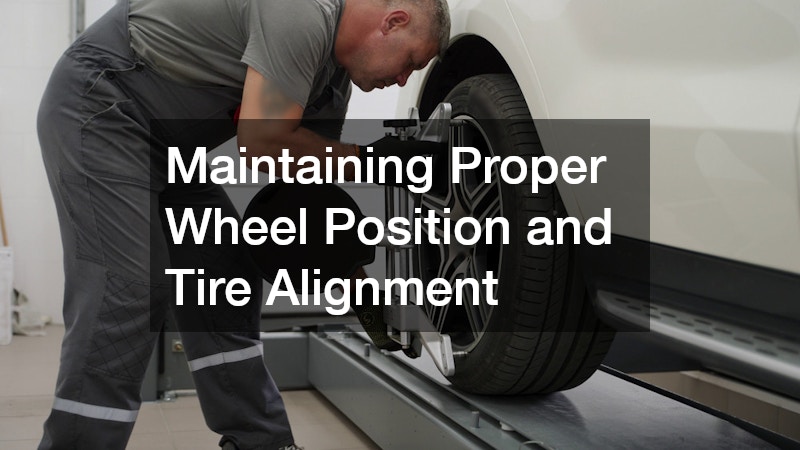
Proper wheel positioning is essential for safe vehicle operation and fuel efficiency. When tires are incorrectly positioned, drivers may notice uneven tread wear, reduced steering stability, and increased fuel consumption. Professional technicians perform alignment procedures to ensure that wheels are positioned correctly relative to the vehicle frame and suspension geometry.
Even small deviations in wheel angle can affect how the vehicle handles on the road. Potholes, curbs, and everyday driving conditions can gradually shift wheel positioning, leading to steering difficulties or irregular tire wear. Without corrective adjustments, these issues can shorten tire lifespan and reduce driving comfort.
Wheel geometry adjustments also contribute to improved vehicle safety. Proper alignment helps maintain consistent traction and ensures that braking systems operate effectively. Vehicles with poorly aligned wheels may experience longer stopping distances or reduced stability when navigating sharp turns.
Actionable Steps for Tire Alignment Maintenance
-
Inspect tires regularly for uneven wear patterns
-
Schedule wheel adjustments annually or after hitting potholes
-
Check steering response and road stability frequently
-
Rotate tires to extend their usable lifespan
Addressing Mechanical Issues Through Professional Maintenance
Mechanical components within vehicles experience continuous wear during daily operation. Over time, engines, brakes, cooling systems, and electrical components require inspection and repair to maintain optimal performance. Professional automotive repairs ensure that these components function efficiently while preventing further damage.
Routine diagnostics allow technicians to identify early warning signs such as fluid leaks, overheating issues, or reduced engine efficiency. Addressing these problems quickly helps drivers avoid costly breakdowns and ensures consistent vehicle performance.
Modern vehicles also rely heavily on computer-controlled systems that monitor engine performance, emissions levels, and mechanical health. Diagnostic scanners allow technicians to analyze vehicle data and determine which components require repair or replacement.
Tips for Preventive Mechanical Maintenance
-
Follow manufacturer-recommended service schedules
-
Monitor engine warning lights and diagnostic alerts
-
Replace fluids and filters regularly
-
Address unusual noises or vibrations immediately
Restoring Vehicle Structure After Impact Damage
Vehicle collisions can cause both visible and hidden structural damage. Professional technicians perform collision repairs to restore a vehicle’s structural integrity and ensure it meets safety standards. Even minor accidents can affect frame alignment, suspension components, or safety systems.
Repair specialists use advanced equipment to assess damage and restore vehicle frames to their original specifications. Modern repair facilities rely on computerized measurement systems to detect structural deviations that may not be visible during initial inspections.
Proper restoration also involves repainting damaged surfaces, replacing body panels, and recalibrating vehicle sensors. Safety technologies such as airbags, collision detection systems, and adaptive cruise control may require recalibration after impact damage.
Steps for Handling Post-Collision Vehicle Restoration
-
Schedule a professional inspection after any accident
-
Verify frame alignment using computerized diagnostic equipment
-
Replace damaged body panels and structural components
-
Recalibrate safety sensors and onboard systems
Organizing Preventive Vehicle Maintenance Programs
Routine inspections and scheduled maintenance are essential for preserving vehicle reliability. Professional care services provide preventative solutions that help drivers avoid major mechanical failures.
Maintenance programs typically include oil changes, fluid inspections, brake checks, and diagnostic evaluations. By following a structured service schedule, drivers can maintain vehicle efficiency and reduce the risk of sudden mechanical problems.
Preventive maintenance also improves resale value by demonstrating consistent care and proper servicing.
Tips for Organizing Preventive Maintenance
-
Maintain a detailed vehicle service record
-
Follow manufacturer maintenance recommendations
-
Schedule seasonal inspections for critical components
-
Monitor mileage intervals for fluid replacements
Resolving Mechanical Failures to Maintain Vehicle Function
Unexpected mechanical issues may require specialized car repairs to restore vehicle functionality. Engine overheating, brake failures, electrical malfunctions, and cooling system problems are common issues that require professional attention.
Prompt repairs help prevent damage from spreading to other vehicle systems. Ignoring early warning signs often leads to more extensive mechanical failures and higher repair costs.
Actionable Steps for Managing Mechanical Repairs
-
Identify warning signs such as unusual sounds or dashboard alerts
-
Schedule professional inspections quickly
-
Replace damaged components promptly
-
Conduct post-repair testing to ensure reliability
Maintaining Exterior Condition and Vehicle Appearance
Exterior maintenance plays an important role in preserving a vehicle’s appearance and structural protection. Regular cleaning through a professional car wash removes dirt, road salt, and contaminants that can damage paint surfaces.
Routine washing also helps prevent corrosion, particularly in regions where roads are treated with salt during winter months. Protecting exterior surfaces improves resale value and ensures that body panels remain free from long-term damage.
Tips for Maintaining Vehicle Exterior Protection
-
Wash vehicles regularly to remove contaminants
-
Apply protective wax coatings periodically
-
Inspect paint surfaces for scratches or rust
-
Clean wheel wells and undercarriage areas
Maintaining Suspension Components for Driving Stability
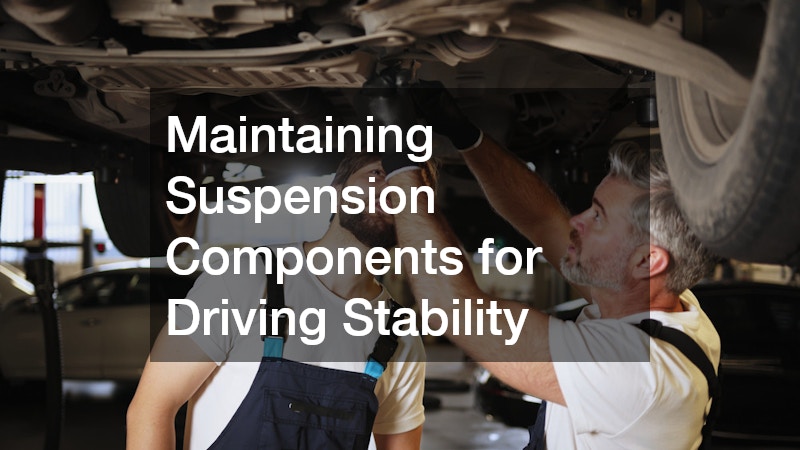
The suspension system supports vehicle stability, comfort, and control. Over time, shocks, struts, and control arms may require suspension repairs to maintain proper handling performance.
Worn suspension components can cause excessive bouncing, uneven tire wear, and reduced steering control. Addressing these issues early ensures a smoother ride and prevents additional stress on other vehicle systems.
Tips for Suspension Maintenance
-
Inspect shocks and struts regularly
-
Replace worn suspension components promptly
-
Monitor ride comfort and vehicle stability
-
Maintain proper tire pressure to reduce suspension strain
Repairing Structural Damage and Exterior Components

Specialized facilities known as auto body centers handle repairs involving dents, scratches, structural damage, and repainting services. These repair centers use advanced equipment to restore vehicles to their original appearance and structural condition.
Technicians may perform paint matching, dent removal, frame straightening, and panel replacements depending on the severity of damage.
Steps for Managing Body Repair Services
-
Inspect exterior surfaces for dents or scratches
-
Schedule professional body restoration when needed
-
Protect repaired areas with high-quality coatings
-
Verify paint consistency after repairs
Preserving Drivetrain Performance and Transmission Efficiency
The drivetrain transfers engine power to the wheels and plays a critical role in vehicle movement. Over time, internal components may wear out, requiring professional transmission repair to maintain proper functionality.
Transmission issues can cause delayed gear shifting, slipping gears, or unusual noises. Routine inspections and fluid replacements help extend the lifespan of transmission systems.
Tips for Maintaining Transmission Performance
-
Replace transmission fluid at recommended intervals
-
Avoid aggressive driving that strains drivetrain components
-
Monitor gear shifting performance regularly
-
Address warning signs immediately
Creating a Preventive Vehicle Maintenance Schedule
Planning long-term vehicle care requires more than reacting to problems as they occur. A structured maintenance schedule helps vehicle owners track service intervals and ensure that essential systems are inspected regularly. Preventive maintenance reduces the likelihood of sudden mechanical failures while helping drivers maintain consistent vehicle performance over time.
Most vehicle manufacturers provide recommended service schedules based on mileage and operating conditions. These schedules typically include oil changes, tire rotations, brake inspections, fluid replacements, and system diagnostics. Following these guidelines helps ensure that components receive proper maintenance before excessive wear develops.
Drivers should also consider how driving habits and environmental conditions affect vehicle health. Vehicles used in heavy traffic, extreme temperatures, or rough road conditions may require more frequent inspections. Dusty environments, for example, can clog air filters more quickly, while frequent stop-and-go driving can increase wear on braking systems.
Digital tools and mobile applications can make maintenance planning easier by tracking mileage, service history, and upcoming inspections. Keeping detailed records also improves resale value because potential buyers often look for well-documented maintenance histories.
Regular preventive care not only improves reliability but also enhances safety. A well-maintained vehicle responds better to steering input, braking, and acceleration, allowing drivers to maintain better control on the road. By planning maintenance proactively, vehicle owners can minimize unexpected repairs while extending the lifespan of their vehicles.
Conclusion
Planning comprehensive vehicle maintenance strategies is essential for preserving reliability, safety, and performance. Vehicles consist of many interconnected systems, each requiring periodic inspections and maintenance to function efficiently. From steering technologies and suspension systems to drivetrain components and structural repairs, every aspect of vehicle care contributes to long-term performance.
Drivers who adopt proactive maintenance strategies are far less likely to experience sudden breakdowns or costly emergency repairs. Regular inspections allow technicians to identify mechanical wear early, ensuring that problems are resolved before they escalate into more serious issues. In addition to mechanical reliability, proper maintenance improves fuel efficiency, enhances driving comfort, and increases the overall lifespan of the vehicle.
Developing a structured maintenance schedule also helps drivers manage repair costs more effectively. By addressing minor issues early, vehicle owners can avoid major component failures that often require expensive replacements. Preventive maintenance also improves resale value, as well-documented service histories demonstrate responsible vehicle ownership.
Ultimately, responsible vehicle care is not just about maintaining performance—it is also about protecting driver safety and ensuring reliable transportation for everyday needs. By understanding how different vehicle systems operate and scheduling appropriate maintenance services, drivers can keep their vehicles operating efficiently for many years.
References
https://www.nhtsa.gov
https://www.consumerreports.org/cars/car-maintenance/