
Navigating a high-speed highway or a quiet rural road requires constant vigilance. Even the most seasoned drivers can find themselves facing a sudden, terrifying crisis. A high-speed tire blowout, an unexpected multi-vehicle pileup, or an unforeseen mechanical collapse can transform an ordinary commute into a life-threatening situation in a matter of seconds. When an emergency strikes on the road, panic is your worst enemy. Clear thinking, immediate tactical choices, and a structured post-collision strategy are essential to keeping you, your passengers, and other motorists safe.
Surviving a severe roadside incident involves much more than just steering your vehicle safely onto the shoulder. It requires a complete understanding of physical scene safety, emergency communications, vehicle logistics, mechanical repairs, and the complex legal and financial steps that follow. Knowing exactly what steps to take—from the second your vehicle comes to a stop to the final insurance settlement—can save lives, preserve critical evidence, and protect your long-term financial security. This comprehensive guide outlines the essential steps for managing major roadside emergencies effectively.
Section 1: Immediate On-Scene Safety and Hazard Control
The moments immediately following a major mechanical failure or crash are the most dangerous. Secondary collisions, where oncoming traffic hits already disabled vehicles, account for a significant percentage of highway fatalities. Your primary goal must shift instantly from controlling the vehicle to controlling the surrounding environment and preventing further harm.
Positioning Your Vehicle for Maximum Visibility and Protection
If your vehicle is still mobile after an impact or engine failure, coast it entirely off the active roadway. Aim for the far right shoulder or an emergency pull-off area if one is available. Never stop in active traffic lanes, near crests of hills, or around blind curves where oncoming drivers have limited reaction time.
- Turn toward the barrier: Angle your front wheels away from the roadway toward the guardrail or shoulder ditch. If another vehicle hits your disabled car from behind, this directional positioning prevents it from being pushed back into live traffic lanes.
- Engage full illumination: Immediately turn on your emergency hazard lights. If it is dark, rainy, or foggy, keep your headlights and interior cabin lights turned on to maximize your footprint for approaching traffic.
- Deploy physical markers: If you can safely exit the vehicle, place reflective triangles, LED flares, or traditional incendiary flares behind your vehicle. Space your markers at set distances—approximately 50 feet, 100 feet, and 200 feet back from the rear bumper—to give speeding traffic ample time to change lanes.
Managing Cabin Safety and Evacuating High-Risk Zones
Deciding whether to stay inside your vehicle or evacuate is a critical choice that depends heavily on your immediate environment. On a high-speed interstate with narrow shoulders, remaining inside a locked cab with your seatbelt securely fastened often provides superior structural protection compared to standing on the roadside.
However, if your vehicle is leaking fuel, smoking, resting near a steep embankment, or stopped in an unlit travel lane, staying inside poses a severe risk. When evacuating, unbuckle quickly and exit through the doors facing away from active traffic. Move completely past the shoulder, over the guardrail, and step onto the high ground of an embankment or behind a concrete barrier. Never stand directly in front of or behind your disabled vehicle, as an impact from behind will turn your car into a battering ram.
Section 2: Emergency Response Protocols and Scene Documentation
Once physical hazards are controlled and everyone is out of immediate danger, you must establish contact with first responders and begin capturing key facts about the scene. The data gathered during these initial minutes often forms the foundation for subsequent medical treatment, police reports, and liability assessments.
Communicating Vital Information to Emergency Dispatchers
When dialing 911 or emergency services, remain calm and give the dispatcher concise, actionable details. Emergency call centers prioritize dispatch based on location accuracy and injury severity, so clear communication is essential.
- Pinpoint your precise location: Look for highway mile markers, exit numbers, nearby landmarks, or cross streets. If you are unsure of your location, use your smartphone’s mapping application to pull up your exact GPS coordinates.
- Report vehicle types involved: Describe the scale of the crash clearly. Let dispatch know if the crash involves a standard passenger sedan, a commercial truck, a hazardous material transporter, or a passenger bus. Large commercial vehicles often require specialized extraction tools and heavy rescue teams. You may need a scrap yard after a crash as well.
- Triage injuries accurately: Report the number of injured individuals, their conscious states, and any obvious signs of severe trauma, trapping, or fire. Never minimize physical symptoms, as internal injuries may not show immediate outward signs due to initial shock and adrenaline.
Gathering Unassailable Evidence While Securing the Area
If you are physically able and can move around the scene safely, begin documenting the environment thoroughly. Do not rely solely on police officers to capture every detail, as their primary responsibility is traffic control and medical triage.
Take wide-angle photographs showing the full layout of the accident scene, traffic lights, weather conditions, road debris, and skid marks. Capture close-up images of all property damage, including crushed body panels, sheared axles, and shattered windshields that will require complete auto glass replacements. Obtain contact information, license plate numbers, and insurance details from all drivers involved, along with names and phone numbers of neutral eyewitnesses before they leave the area, especially if auto glass replacements are needed.
Section 3: Securing Reliable Transport and Roadside Recovery
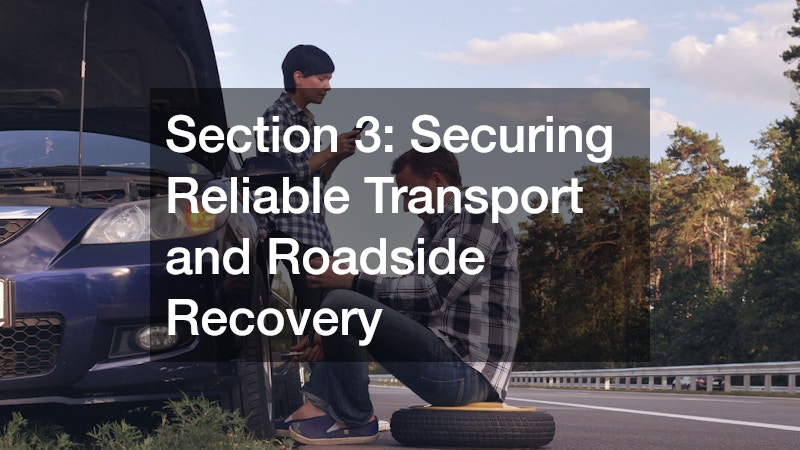
Clearing a major crash site or severe mechanical failure requires specialized heavy equipment and logistical planning. Mishandling a disabled vehicle during recovery can double the existing structural damage, leading to prolonged delays and inflated expenses.
Selecting and Directing Professional Heavy-Duty Vehicle Recovery
Not all recovery services are equipped to handle complex vehicle extractions. Standard light-duty flatbeds are built for minor breakdowns, but rollover crashes, severe structural damage, or off-road extractions demand specialized recovery rigs operated by certified technicians.
Before allowing any operator to hook up your vehicle, confirm that the towing service is fully licensed, insured, and dispatched through an official channel or recognized auto club. Verify the destination shop beforehand and obtain a clear, itemized rate sheet that includes hookup fees, mileage costs, and storage rates. For all-wheel-drive or severely damaged vehicles, insist on a flatbed carrier or specialized dolly system rather than a standard wheel-lift. Incorrectly towing an all-wheel-drive vehicle with its wheels dragging on the pavement can cause irreversible damage to the transfer case and transmission.
Maintaining Personal and Business Logistics After a Breakdown
A major vehicle failure or accident disrupts schedule continuity instantly. Whether you are managing personal family travel, commuting, or managing commercial freight deliveries, securing replacement transport quickly minimizes secondary loss and lost income.
- Establish temporary mobility: Arrange for direct transport away from the highway once officers complete their scene investigation. Use reputable ride-hailing services, taxi networks, or rental branches located near major transit hubs.
- Secure cargo and personal property: Remove all personal valuables, corporate documents, registration papers, and specialized tools from the vehicle before it leaves the scene on a flatbed.
- Maintain business operations: If your primary transport or work vehicle is crippled, arrange for an immediate commercial truck rental to maintain delivery schedules, fulfill contracts, and keep business logistics moving while repairs are handled.
Section 4: Mechanical Assessment and Comprehensive Vehicle Repairs
Once your vehicle is safely off the road and stored at a qualified facility, focus shifts from acute emergency response to detailed mechanical diagnostics. Major impacts and sudden mechanical breakdowns create severe stress across structural frames, suspension setups, and complex modern engine systems.
Conducting Rigorous Diagnostic Assessments Before Back-to-Service Operations
Modern motor vehicles feature tightly integrated structural, electronic, and safety frameworks. A collision that appears purely cosmetic on the surface can easily hide compromised structural crash structures, bent suspension geometry, or severed electrical looms underneath the bodywork.
Insist on choosing a shop that offers certified technician teams and modern chassis-measuring technology for all comprehensive auto repair services. Request a total diagnostic scan of the onboard vehicle computers to check for stored fault codes, deployed airbag control modules, and disabled safety sensor arrays. A thorough shop will perform a complete frame-alignment check, evaluate steering linkage tolerances, inspect brake lines for micro-fractures, and recalibrate electronic driver-assistance systems before declaring a vehicle roadworthy again.
Restoring Heavy Powertrains and Specialty Drivetrains
Complex engines, forced-induction systems, and heavy-duty drivelines demand specialized repair techniques when subject to sudden, violent stops or severe cooling failures. High-compression engines running under heavy loads require precise clearance tolerances and specialized diagnostic equipment during overhaul.
High-stress commercial engines, severe-duty haulers, and specialized powerplants require technicians trained specifically in heavy-duty diesel engine repairs. High-impact collisions can crack cast-iron engine blocks, fracture high-pressure fuel rails, warp aluminum cylinder heads, or rupture intercooler networks. Failing to run complete pressure tests, oil-analysis checks, and cooling system stress tests after a crash can result in catastrophic engine failure shortly after putting the vehicle back on the road.
Section 5: Legal Protection, Liability, and Driver Advocacy
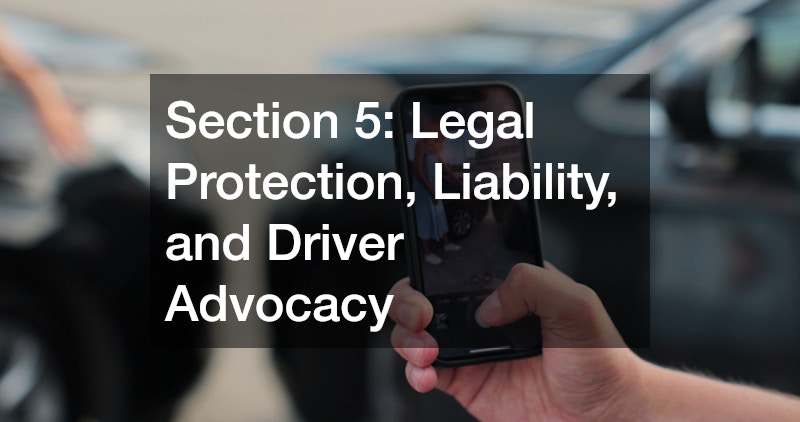
A major roadside crash rarely ends on the side of the highway. Complex crashes trigger significant financial liabilities, insurance negotiations, medical bills, and dispute proceedings. Protecting your legal rights early prevents insurance adjusters from shifting fault onto you or offering inadequate settlements that fall short of covering long-term damages.
Protecting Your Rights and Navigating Insurance Adjusters
Insurance representatives are trained to minimize their company’s financial exposure following a major crash. You will often receive calls from insurance adjusters within 24 to 48 hours of an incident asking for recorded statements or offering quick cash settlements before the full scope of your medical problems or mechanical repairs is understood.
Handling Complex Commercial Collisions and Multi-Party Liability
Collisions involving commercial fleets, tractor-trailers, or corporate delivery vehicles introduce layers of regulatory complexity that standard passenger car accidents do not have. Federal Motor Carrier Safety Regulations govern maximum driving hours, mandatory inspection logs, vehicle maintenance intervals, and weight restrictions.
When a commercial carrier is involved, preserving corporate records becomes an urgent priority. Fleet companies maintain specialized legal response teams that act quickly to secure evidence in their own favor. To counter this, victims should hire specialized truck accident lawyers immediately. Experienced local car accident attorneys can file formal spoliation letters to preserve critical digital evidence, including onboard electronic logging device data, telematics outputs, driver dashcam footage, and black-box event data recorders before it is erased or overwritten.
Section 6: Managing Severe Losses, Totaled Vehicles, and Impairment Issues
When a major accident results in catastrophic damage or involves criminal allegations, the post-crash recovery process becomes far more complex. Drivers must navigate vehicle valuation disputes, total loss declarations, environmental disposal requirements, and severe legal challenges that carry long-term consequences.
Navigating Legal Defense and Impairment Investigations
If an accident involves serious injuries, fatalities, or allegations of impaired driving, law enforcement officers will initiate a formal criminal investigation directly at the scene. Under these high-stakes circumstances, every word you say and every field test you perform can carry significant legal consequences.
If law enforcement suspects alcohol or drug involvement, remain polite and calm, but immediately exercise your legal right to remain silent until legal representation is present. Refuse to answer non-identity questions or perform discretionary field sobriety tests without legal advice. Contact a dedicated DUI lawyer as quickly as possible. An attorney experienced in criminal defense and traffic law will review blood-alcohol testing procedures, evaluate whether breathalyzer equipment was calibrated correctly, protect your constitutional rights, and ensure proper legal defense strategies are built from the start.
Managing Total Loss Declarations and Salvage Logistics
When repair estimates exceed the fair market value of a vehicle—typically between 70% and 80% of its total worth—insurance providers will declare the vehicle a total economic loss. Understanding how total loss settlements work prevents you from accepting low valuation offers that leave you undercompensated.
Maintaining Control During Complex Roadside Incidents
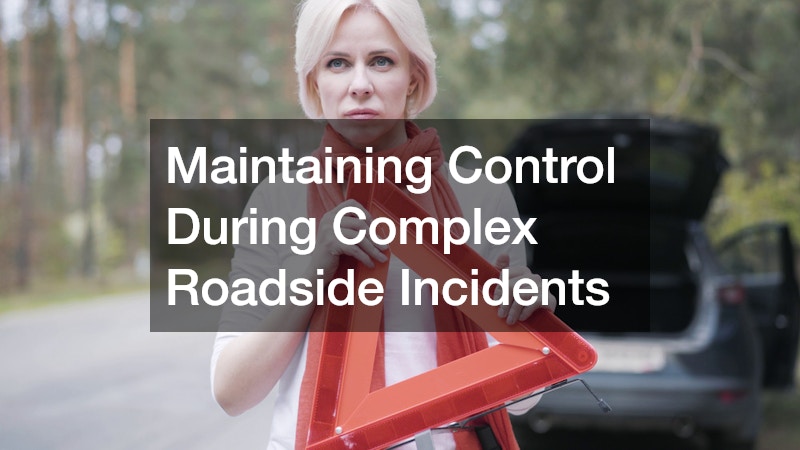
Surviving a major roadside crisis requires a step-by-step approach focused on physical safety, scene management, clear documentation, proper vehicle repair, and legal advocacy. What begins as a sudden shock on the highway can quickly snowball into months of stressful financial, mechanical, and legal struggles if not handled correctly from the start.