Reaching 100,000 miles on your odometer used to signal the end of a vehicle’s dependable lifespan, yet modern powertrains regularly exceed 200,000 or even 250,000 miles when cared for properly. Still, the 100,000-mile mark represents a critical mechanical threshold. Factory fluids have endured thousands of thermal cycles, rubber seals and hoses have hardened from heat exposure, and long-life ignition and timing components are reaching the end of their original service intervals.
Treating this milestone as a proactive reset rather than waiting for dashboard warning lights protects your daily commute from unexpected breakdowns and expensive internal engine damage. By inspecting fluids, refreshing cooling components, replacing worn timing hardware, and checking mounts and seals on a structured schedule, you keep fuel economy sharp and preserve your vehicle’s resale value. Use this comprehensive checklist to prioritize every major system your engine relies on every day.
Audit Engine Fluids, Filters, and Baseline Diagnostics
Before replacing individual hardware components, establish a clear baseline picture of your engine’s current internal health. Fluid condition and live electronic sensor data reveal early wear patterns long before loud mechanical noises appear.
Perform a Complete Oil, Filter, and Fluid Condition Inspection
Fresh lubrication is the single most effective defense against internal friction, varnish, and sludge buildup in a six-figure engine. Drain the motor oil while the engine is still warm so suspended contaminants and moisture flow out completely, install a high-efficiency OEM-grade oil filter, and examine the drained oil in a clean pan for fine metallic shimmer or milky coolant contamination.
At the same milestone, check and refresh supporting filtration and fluid systems:
- Engine air filter: Replace clogged pleated media so restricted airflow does not enrich fuel mixtures, foul oxygen sensors, or dull throttle response.
- Transmission and differential fluids: Even fluids marketed as lifetime fills degrade under stop-and-go city heat, so draining and refilling with factory-specified fluid protects shifting smoothness and reduces drivetrain drag on the engine.
- Brake and power steering fluids: Flush moisture-laden hydraulic fluids to maintain firm pedal feel and prevent internal pump wear.
Run OBD-II Live Data Scans and Compression or Leak-Down Checks
A daily driver can pass a routine state emissions check with no illuminated dashboard warning lights while still running slightly rich, lean, or noticeably down on cylinder compression. Connecting a capable diagnostic scan tool to review short-term and long-term fuel trims, individual cylinder misfire counters, oxygen sensor switching speeds, and coolant temperature sensor readings uncovers subtle drivability issues long before they cause catalytic converter damage.
Scheduling a comprehensive 100,000-mile diagnostic baseline with an experienced mechanic or trusted auto repair shop gives you objective compression numbers, fuel-pressure readings, and visual leak checks before you invest money into cosmetic upgrades or secondary repairs.
Service the Cooling System to Prevent Overheating Damage
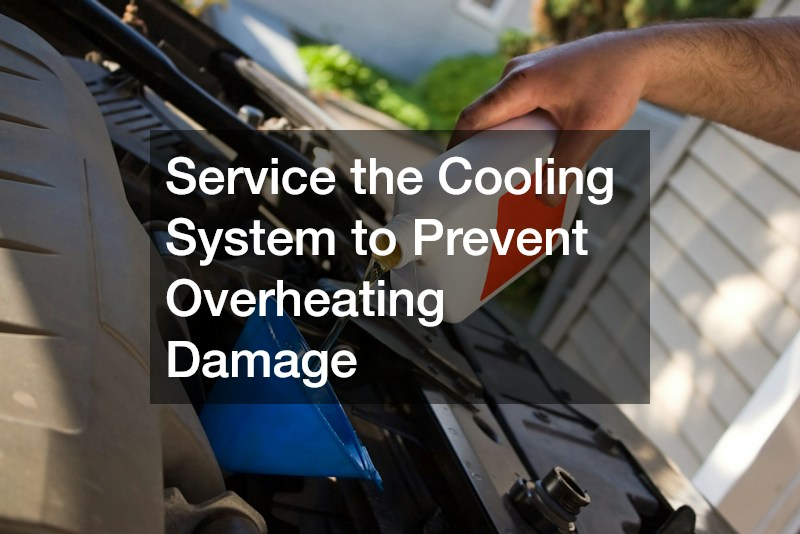
Overheating remains one of the fastest ways to warp an aluminum cylinder head or blow a head gasket on a high-mileage daily driver. At 100,000 miles, cooling components deserve thorough preventive attention even if your temperature gauge has never climbed past the halfway mark.
Flush Degraded Coolant and Inspect the Radiator and Thermostat
Engine coolant does more than transfer heat—its chemical additives prevent electrolysis, rust, and scale buildup inside narrow radiator tubes and water jackets. Over years of heating and cooling, those inhibitors break down and turn acidic, corroding aluminum passages and water pump impellers from the inside out.
Complete these cooling system steps at the 100,000-mile mark:
- Full system flush and refill: Drain the radiator and engine block, flush out sediment, and refill with the exact silicate-free or organic-acid coolant formulation specified by your manufacturer.
- Thermostat replacement: Install a new OEM-spec thermostat and gasket, as a sticking thermostat can either trap scalding heat inside the block or prevent the engine from reaching efficient operating temperature.
- Radiator fin cleaning and cap testing: Clear leaves, bugs, and road grit packed between the radiator and air conditioning condenser, and pressure-test the radiator cap so the system maintains proper boiling-point protection.
Replace Aging Hoses, Clamps, and the Water Pump
Rubber upper and lower radiator hoses, heater core hoses, and small throttle-body bypass lines bake under intense underhood temperatures for years. Squeeze each hose firmly while the engine is completely cool—any spongy softness near the ends, swelling around hose clamps, or brittle surface cracking signals imminent rupture. Inspect the water pump weep hole underneath the pulley hub for dried crusty coolant residue and check shaft bearings for play, replacing the pump proactively whenever it is driven by your timing belt.
Inspect Timing Components, Serpentine Belts, and Diesel Powertrains
Synchronizing crankshaft rotation with camshaft valve opening requires absolute precision. Neglecting timing hardware at 100,000 miles carries the highest financial risk of any maintenance item on your vehicle.
Replace Timing Belts and Inspect Timing Chain Tensioners
If your daily driver uses a rubber timing belt, check your owner’s manual immediately—most manufacturers specify replacement between 90,000 and 105,000 miles. On interference engines, a snapped timing belt allows open valves to collide with rising pistons, bending valves and destroying pistons in a fraction of a second. Whenever you replace a timing belt, install a complete kit containing new idler pulleys, a hydraulic tensioner, front cam and crank seals, and a fresh water pump.
Engines equipped with metal timing chains generally last longer than rubber belts, yet high mileage still wears down plastic chain guides, sprockets, and oil-fed hydraulic tensioners. Listen closely during cold morning startups for a sharp metallic rattle lasting two to three seconds, which indicates chain slack that warrants prompt inspection before the chain jumps a tooth. At the same time, replace the outer serpentine drive belt and check automatic belt tensioner alignment so vital accessories like the alternator, power steering pump, and water pump never lose drive power.
Address High-Mileage Compression, Glow Plugs, and Fuel Injection on Diesel Daily Drivers
Light-duty diesel pickups, vans, and commuter sedans easily surpass 200,000 miles, provided owners stay ahead of soot accumulation and ultra-high fuel pressures at the 100,000-mile mark:
- Fuel filters and water separators: Replace both primary and secondary fuel filters and drain accumulated moisture from the water separator to protect precision fuel injectors from scoring.
- EGR cooler and intake soot cleaning: Inspect exhaust gas recirculation valves, intake runners, and diesel particulate filter differential pressure sensors so carbon buildup does not choke airflow or trigger limp mode.
- Glow plugs and turbocharger plumbing: Test glow plug resistance for crisp cold starts and tighten intercooler boots and clamps to prevent boost leaks.
Partnering with a skilled diesel mechanic for specialized diesel repairs—such as injector balance rate testing and high-pressure fuel rail diagnostics—catches wear early before minor fuel delivery imbalances damage pistons or emissions hardware.
Refresh Ignition, Fuel Delivery, and Air Induction Systems
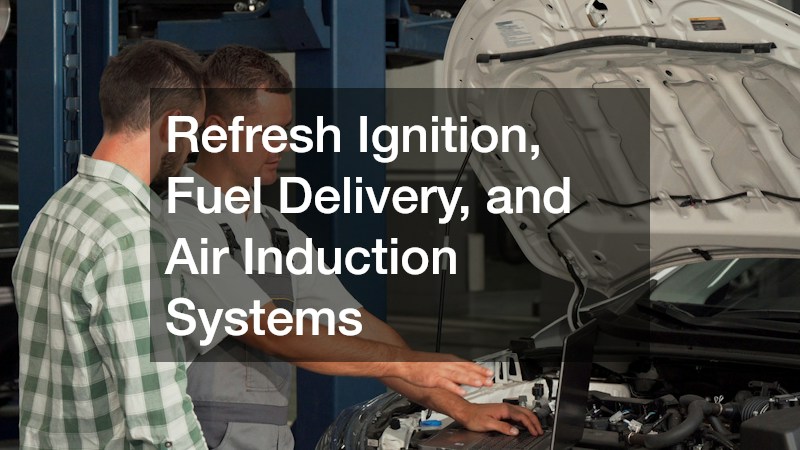
Crisp combustion depends on a strong electrical spark, clean fuel atomization, and unrestricted airflow into every cylinder. As these systems age, efficiency erodes gradually enough that many drivers barely notice lost power until fuel economy drops noticeably.
Install Fresh Spark Plugs, Ignition Coils, and Fuel System Cleaners
Modern double-platinum and fine-wire iridium spark plugs routinely last 100,000 miles, but by that point gradual electrode erosion widens the spark gap beyond factory tolerances. A wider gap forces individual ignition coils to generate higher firing voltage, accelerating rubber coil boot cracking and causing rough cold idle or hesitation under brisk highway acceleration. Replace all spark plugs using a calibrated torque wrench, apply dielectric grease inside coil boots, and inspect ignition coil housings for heat discoloration or hairline cracks.
Support clean fuel delivery with three targeted checks:
- Fuel filter and fuel pressure check: Replace serviceable inline fuel filters and verify steady rail pressure under load so lean fuel mixtures do not elevate combustion temperatures.
- Throttle body cleaning: Wipe carbon deposits from the throttle plate and bore with dedicated throttle-body cleaner to restore smooth idle air control.
- Intake valve cleaning on direct-injection engines: Gasoline direct-injection engines spray fuel directly into the cylinder rather than washing over the back of intake valves, allowing oil vapors to bake onto valve stems over 100,000 miles. Professional walnut-shell blasting or induction cleaning restores lost airflow and throttle response.
Understand Modern Powertrain Architecture and Long-Term Platform Options
Comparing different engine architectures highlights why routine induction and fuel maintenance matters so much at high mileage. High-efficiency modern V8 platforms—such as performance-oriented engine packages gen v lt—rely on precise direct fuel injection, variable valve timing phasers, and clean synthetic oil passages to balance strong torque with highway fuel economy. Meanwhile, heavy-duty commercial platforms like remanufactured detroit diesel engines demonstrate how strict filtration, clean cooling passages, and scheduled component overhauls allow precision-machined blocks to deliver hundreds of thousands of reliable operating hours. Keeping oxygen sensors, fuel injectors, cooling passages, and oil galleries clean on your daily driver applies those exact same proven longevity principles on a passenger-vehicle scale.
Check Gaskets, Seals, PCV Valves, and Vacuum Lines
Oil leaks around a high-mileage engine rarely start as major seal blowouts; most begin when crankcase pressure builds up or rubber gaskets harden from years of heat cycling.
Replace Stuck Positive Crankcase Ventilation (PCV) Valves
The Positive Crankcase Ventilation system routes combustion blow-by gases out of the crankcase and back into the intake manifold to be burned cleanly. Inside the PCV valve, a small spring-loaded plunger regulates airflow—and after 100,000 miles, oil varnish frequently gums that valve shut.
When a PCV valve sticks closed, positive pressure builds inside the crankcase and forces motor oil past the weakest rubber seals on the engine, creating persistent leaks at the valve cover gaskets, oil pan gasket, front camshaft seals, and rear main seal. Replacing an inexpensive PCV valve and inspecting its rubber breather hoses at 100,000 miles prevents cascading oil leaks across the entire engine block.
Inspect Engine Mounts, Exhaust Hardware, and Accessory Drives
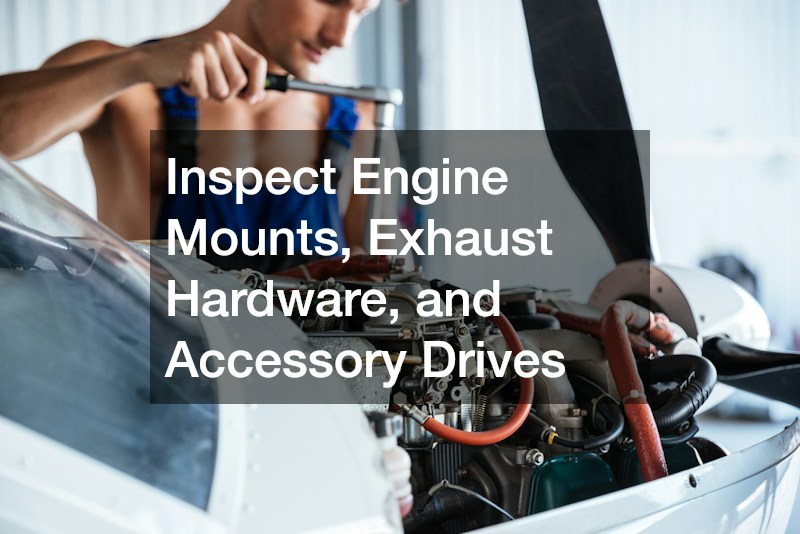
An engine’s physical mounting points and exhaust pathways absorb constant vibration, torque twist, and thermal expansion across 100,000 miles of bumps and stop-and-go traffic.
Test Hydraulic Engine Mounts and Exhaust Flex Pipes
Collapsed engine mounts allow the powertrain to shift excessively during gear changes and hard acceleration, straining radiator hoses, wiring harnesses, and exhaust joints. Watch for three common symptoms of worn mounts:
- Steering wheel or seat vibration at idle: Noticeable buzzing when stopped in Drive with your foot on the brake that smooths out when shifting into Neutral.
- Clunking noises during acceleration or braking: A dull thud felt through the floorboard when torque loads reverse suddenly.
- Cracked exhaust flex pipes and broken manifold studs: Excess engine movement twists exhaust downpipes, cracking braided flex sections and stressing catalytic converter welds.
Inspect rubber exhaust hangers, downstream oxygen sensor wiring clearances, and catalytic converter heat shields while the vehicle is raised safely on a lift so loose or rusted hardware does not rattle against the undercarriage or snag road debris.
Follow Precision Torque and Alignment Standards During Major Component Swaps
Replacing harmonic balancers, alternator brackets, timing covers, or motor mounts requires strict adherence to factory torque sequences and surface preparation. Precision mechanical installations depend on exact fastener stretch specifications and alignment tolerances established by automotive engineering companies so rotating pulleys run true without introducing destructive vibration or premature bearing wear. Using a calibrated torque wrench, fresh stretch bolts where specified, and official factory service data ensures replacement hardware performs just as reliably as original assembly-line components.
Protect the Powertrain After Roadside Breakdowns or Front-End Collisions
How you respond during an unexpected roadside warning determines whether an engine survives with a minor fix or suffers total internal failure. If the temperature gauge spikes into the red zone or the red oil-pressure warning light illuminates, pull over safely and shut off the engine immediately—driving even one additional mile without oil pressure or coolant circulation can score cylinder walls and seize bearings. Relying on professional tow trucks to transport a disabled vehicle protects the powertrain from catastrophic secondary damage.
Likewise, if your daily driver is involved in a front-end collision, minor bumper damage can conceal bent radiator core supports, cracked condenser brackets, or shifted subframe mounts. Coordinating structural alignment with a reputable body shop alongside mechanical inspections ensures cooling fans, air intake ducts, and engine mounts return to exact factory geometry before you return to highway driving.
Reaching 100,000 miles is not a countdown to trading in your vehicle—it is an opportunity to refresh critical wear items and set your daily driver up for another decade of dependable service. By auditing engine fluids, flushing the cooling system, replacing timing and ignition components, sealing crankcase leaks, and inspecting mounts and exhaust hardware, you eliminate the most common causes of high-mileage breakdowns before they interrupt your schedule.
Start by reviewing your factory owner’s manual alongside your past service receipts, tackling overdue fluid and timing items first, and scheduling a thorough multi-point baseline inspection. With consistent seasonal underhood checks and timely attention to early warning signs, your engine can continue delivering smooth, fuel-efficient performance mile after mile.