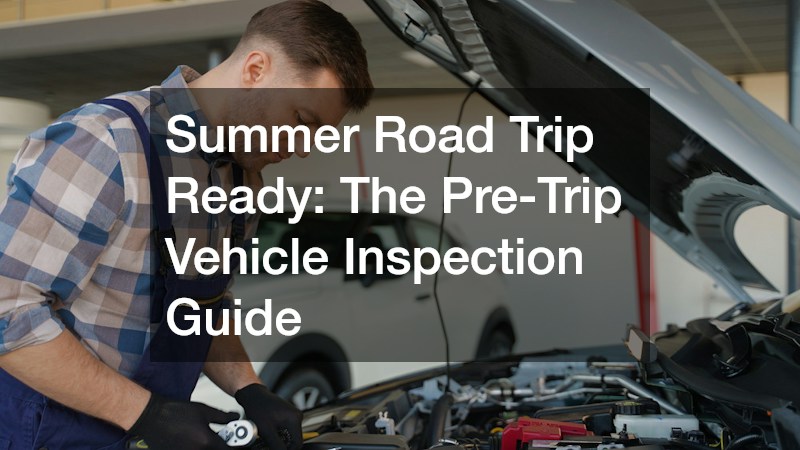
Summer road trips offer the ultimate freedom, but nothing halts a cross-country adventure faster than an unexpected mechanical breakdown. Extreme heat, heavy cargo loads, and long stretches of highway put significant stress on every major system in your vehicle. Performing a comprehensive pre-trip inspection before hitting the open road ensures your car operates at peak safety, efficiency, and reliability. This detailed guide outlines the critical checks, maintenance tasks, and emergency preparations every driver should complete before setting out.
Why Is Checking Tire Health Essential Before High-Temperature Highway Driving?
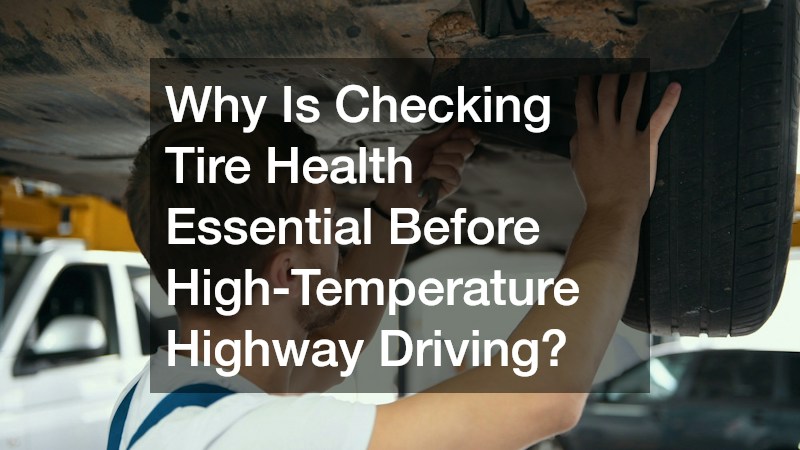
Tires are your vehicle’s only contact point with the pavement, making them the most critical safety component during long-distance summer travel. Rising ambient temperatures increase internal tire pressure, while continuous high-speed rotation generates significant internal friction. Driving on worn, improperly inflated, or damaged tires significantly heightens the risk of dangerous high-speed blowouts or sudden tread separation.
To ensure your tires can safely withstand long summer highway runs, perform a thorough physical and pressure inspection well before your departure date.
-
Check Cold Tire Pressure: Measure tire inflation levels in the early morning before driving. Match the pressure to the recommended PSI listed on your vehicle’s driver-side door jamb, adjusting for heavier cargo or passenger loads as directed by the manufacturer.
-
Inspect Tread Depth: Perform the penny test across all main grooves. Insert a penny upside down; if Lincoln’s head is fully visible, your tread is below 2/32 of an inch and requires immediate attention.
-
Examine Sidewalls for Damage: Look closely for bulges, hairline dry-rot cracks, or gouges that indicate structural compromise.
-
Partner with Professionals: Visit a reliable facility for an auto tire replacement if your tires exhibit severe tread wear, uneven scuffing, or age-related cracking prior to taking a long trip.
How Do You Verify Brake and Wheel System Safety Under Heavy Cargo Loads?
Braking systems work harder during summer road trips due to elevated temperatures and the added weight of luggage, coolers, and full passenger loads. Sustained downhill braking on mountain passes generates extreme heat that can boil aged brake fluid or glaze worn friction pads, resulting in severe brake fade.
Evaluating wheel stability and braking performance ensures responsive stopping power when you need it most.
-
Test for Vibrations: Pay attention to any steering wheel shimmies or pedal pulsations during initial highway braking, which often indicates warped brake rotors or unbalanced wheels.
-
Listen for Wear Indicators: Listen for high-pitched squealing or harsh metallic grinding noises when applying the brakes.
-
Inspect Brake Pad Thickness: Ensure at least 4/32 of an inch of friction material remains on both front and rear brake pads.
-
Schedule Professional Inspection: Bring your vehicle to a trusted auto repair shop to perform high-speed tire balancing, four-wheel alignment, and a hydraulic brake line check to ensure total stability.
What Role Does the Cooling System Play in Preventing Summer Overheating?
Engine overheating is the single most common cause of summertime mechanical breakdowns. Extended highway speeds, prolonged idling in traffic jams, and high ambient temperatures place extreme thermal stress on your engine’s cooling infrastructure. A failure in any component can lead to warped cylinder heads, blown head gaskets, or total engine failure.
Maintaining cooling system integrity requires inspecting both fluid condition and mechanical hardware before loading up the car.
-
Check Coolant Level and Quality: Verify that the coolant reservoir is filled to the cold-fill line with the exact fluid formulation specified by your vehicle manufacturer.
-
Inspect Hoses and Belts: Squeeze upper and lower radiator hoses when the engine is cool; they should feel firm yet pliable, without soft spots, swelling, or surface cracking.
-
Clean Radiator Fins: Inspect the front radiator grille for accumulated bugs, leaves, or road debris that block vital airflow through the cooling fins.
-
Book Comprehensive Service: Arrange for professional auto repair services to perform a cooling system pressure test, flush aged coolant, and verify proper thermostat operation before heading out on severe climbs.
How Do You Test Powertrain and Auxiliary Hydraulic Fluids?
Engine oil, transmission fluid, power steering fluid, and brake fluid serve as the primary lifeblood of your vehicle’s mechanical drivetrain. High summer heat accelerates fluid breakdown, reducing viscosity and leaving vital internal engine and transmission components vulnerable to excessive wear and thermal degradation.
Systematic fluid checks ensure smooth power delivery and prevent component overheating during long drives.
-
Inspect Engine Oil Level and Color: Pull the oil dipstick, wipe it clean, reinsert it, and check the oil level. Fresh oil should be amber or light brown; dark, gritty, or milky oil warrants an immediate oil and filter change.
-
Check Transmission Fluid: If equipped with a dipstick, check transmission fluid levels while the engine is warm. Healthy fluid is bright red; dark brown or burnt-smelling fluid indicates internal overheating.
-
Top Off Auxiliary Fluids: Ensure power steering and windshield washer fluid reservoirs are fully filled to their maximum markers.
-
Evaluate Brake Fluid Clarity: Look through the translucent brake master cylinder reservoir; clean fluid should be clear or pale amber rather than dark green or black.
Why Is Addressing Minor Glass Chips Critical Before Hot Summer Trips?
Clear visibility is paramount when driving into bright summer sun glare, sudden torrential downpours, or unfamiliar highway routes at night. A tiny stone chip or hairline crack in your windshield might seem cosmetic, but high summer temperatures cause automotive glass to expand rapidly. Air conditioning blasting cold air onto hot glass creates thermal shock, turning a small chip into a sprawling crack across your field of vision.
Taking proactive care of your automotive glass ensures structural safety and uncompromised visibility.
-
Inspect All Glass Surfaces: Run a microfiber cloth across the exterior of your windshield to spot hidden stone chips, bullseyes, or star cracks.
-
Clean Interior Glass: Remove hazy film buildup from the inside of the windshield to eliminate dangerous blinding glare when driving into direct sunlight.
-
Utilize Professional Repair: Schedule specialized windshield services to resin-fill minor stone chips before high temperatures or road vibration cause them to spread across the entire pane.
-
Fix Power Mechanisms: Visit an established facility for specialized auto window repairs to repair sticking power window tracks or broken regulators, ensuring proper cabin ventilation and weather sealing.
How Do You Ensure Wipers and Headlights Are Ready for Sudden Summer Storms?
Summer weather can shift rapidly from bright sunshine to severe thunderstorms with blinding rainfall. Old, sun-baked wiper blades will smear water across the glass, severely impairing visibility when you need it most. Furthermore, cloudy or oxidized headlight lenses reduce nighttime illumination distance, making it harder to spot debris or animals on rural highways.
Optimizing your wiper and lighting systems guarantees clear vision in all weather conditions.
-
Test Wiper Blade Performance: Spray washer fluid and operate the wipers; if they streak, chatter, or leave unwiped zones, replace them immediately.
-
Upgrade to Beam Blades: Consider installing heavy-duty beam-style wiper blades that distribute even pressure across curved modern windshields during heavy wind and downpours.
-
Check Exterior Lighting: Walk around the vehicle to confirm that low beams, high beams, fog lights, brake lights, reverse lights, and turn signals function properly.
-
Restore Headlight Clarity: Use a restoration kit or professional polishing service to remove yellow, cloudy oxidation from plastic headlight lenses, restoring maximum light output.
How Do Exterior Body Panels and Undercarriage Shields Handle Highway Speeds?
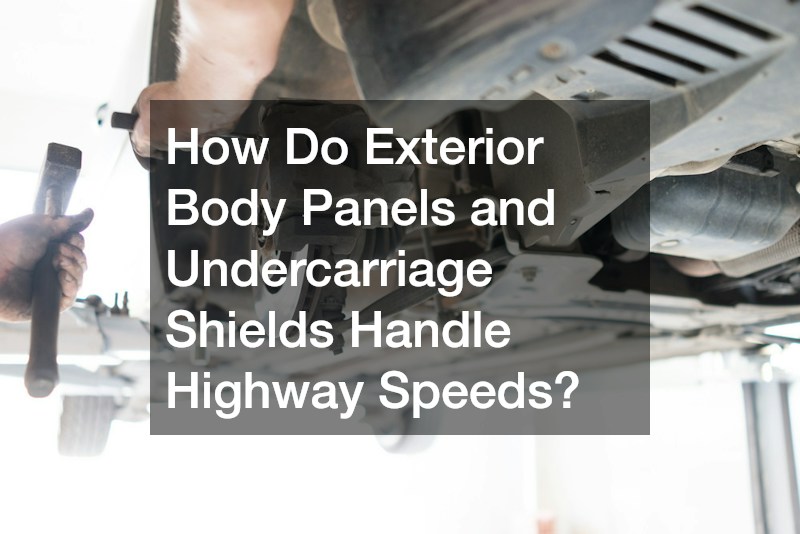
A vehicle’s exterior trim, bumper covers, and underbody aerodynamic shields are designed to manage airflow and protect sensitive components from road debris. Over time, plastic push-pins and brackets loosen or break. At highway speeds, loose underbody shields can drag along the asphalt, while loose bumper trim can flutter, create excessive wind noise, or tear free completely.
Inspecting exterior panels prevents drag, noise, and unexpected road hazard damage.
-
Inspect Bumper Covers: Gently push on front and rear bumper covers to ensure all mounting tabs, clips, and screws are securely fastened.
-
Check Underbody Shields: Look beneath the engine bay and center chassis for sagging plastic splash guards, skid plates, or loose exhaust heat shields.
-
Consult Repair Specialists: Visit an established auto collision center to replace broken mounting hardware or repair cracked bumper covers before sustained highway speeds pull them loose. Addressing collision repairs is important before any long trip.
-
Address Pre-existing Body Damage: Schedule necessary auto body repairs to realign misaligned body panels, seal chipped paint, and prevent moisture from corroding exposed metal.
What Are the Benefits of Deep Exterior Detailing Before Road Trips?
A thorough exterior detail is more than just a cosmetic preference; it serves as a protective layer against environmental elements during long-distance travel. Summer driving exposes your vehicle’s finish to intense ultraviolet radiation, acidic bug splatter, tree sap, and brake dust. Without paint protection, these contaminants etch permanently into your clear coat within days under the hot sun.
Applying protective coatings makes post-trip cleaning effortless while preserving your vehicle’s resale value.
-
Perform a Decontamination Wash: Wash the car thoroughly and use a clay bar to lift embedded grit, asphalt tar, and industrial fallout from the clear coat.
-
Apply Synthetic Sealants or Wax: Apply a layer of high-quality ceramic coating or UV-blocking synthetic paint sealant to protect against sun fading and acidic bug etching.
-
Treat Interior Surfaces: Apply UV protectant to leather seats and dashboard vinyl to prevent drying, fading, or cracking during long days in direct sunlight.
-
Schedule Professional Detailing: Book a complete treatment with an auto detailing service to deep-clean upholstery, sanitize air vents, and treat exterior glass with hydrophobic rain-repellent coatings.
How Do You Properly Equip an Emergency Kit and Spare Tire Setup?
Even with meticulous preparation, unexpected road hazards, severe puncture damage, or electrical failures can happen in remote areas far from home. A fully prepared roadside emergency kit ensures you can handle minor complications safely or remain comfortable while awaiting professional assistance along busy highways or rural bypasses. Having these items organized in a durable, accessible tote inside your vehicle transforms a potential disaster into a manageable delay, keeping stress levels low during an unexpected stop.
Assembling essential safety gear provides peace of mind for you and your passengers:
-
Check Spare Tire Condition: Lower or unbolt your spare tire to verify it is inflated to its correct pressure (often 60 PSI for compact spares). Inspect the rubber for dry rot, sidewall cracking, or embedded debris before departing.
-
Verify Recovery Tools: Ensure your vehicle has a functioning jack, lug wrench, wheel lock key, and solid wooden block for stabilization on uneven roadside shoulders. Practice retrieving these tools so you aren’t figuring out their storage locations in the dark.
-
Pack Safety Hardware: Include heavy-duty jumper cables or a portable lithium jump-starter pack, a high-lumen LED flashlight with extra batteries, and reflective warning triangles or LED flares. High-visibility reflective vests also ensure passing motorists can see you while changing a tire at night.
-
Stock First Aid and Comfort Essentials: Pack a complete first-aid kit, non-perishable emergency snacks, extra bottled water, electrolyte packets, and portable phone power banks. Adding a compact thermal blanket and rain ponchos keeps everyone warm and dry during unexpected delays.
What Roadside Assistance Plans Should You Confirm Before Departing?
Navigating an unexpected breakdown is far less stressful when you have a reliable plan for towing, lockout relief, or flat tire assistance already in place. Before setting off on an interstate trip, review your insurance policies, credit card benefits, and auto club memberships to understand exactly what coverage applies across state lines.
Confirming support logistics ahead of time minimizes roadside downtime and prevents expensive out-of-pocket expenses.
-
Review Towing Distance Limits: Confirm whether your policy covers towing to the nearest qualified facility or provides a set radius (such as 50 or 100 miles).
-
Verify Emergency Contact Numbers: Save customer service and roadside dispatch phone numbers in your mobile device and write them down on a physical card in your glovebox.
-
Identify Travel Corridor Services: Research reputable local towing company contacts along your planned travel route to handle flatbed transports, battery jumpstarts, or winching needs swiftly.
-
Keep Vehicle Documentation Handy: Store your current vehicle registration, proof of insurance, and primary warranty documents together in an easily accessible folder inside the cabin.
Taking the time to perform a thorough pre-trip vehicle inspection is the single best investment you can make in a safe, stress-free summer road trip. By proactively inspecting tires, refreshing vital fluids, restoring glass visibility, and securing roadside support, you protect both your family and your vehicle. With your maintenance checklist complete, you can hit the highway with total peace of mind and focus on enjoying the journey ahead.