
Getting into an auto collision can be a jarring experience that leaves you unsure of what to do next. Understanding how to respond promptly and effectively can make a significant difference. This article will guide you through the key steps to take immediately after an accident and in the days following.
Ensuring Your Immediate Safety
The first step after an auto collision is to check yourself and any passengers for injuries, no matter how minor they might seem. Ensure that everyone is safe and, if necessary, move to a safer location away from traffic. If you’re unable to move the vehicles safely, consider contacting a roadside service to assist in clearing the road. After ensuring your safety, call 911 to report the accident, especially if there are injuries requiring urgent care. Medical professionals can provide immediate assistance and ensure injuries are treated promptly. This step is crucial, as even minor injuries can have long-term consequences if not addressed.
While waiting for help to arrive, use emergency lights and road flares if available to warn oncoming traffic. This precaution can prevent further accidents and ensure that first responders can easily locate the scene. Having prepared for this scenario means quicker assistance and a streamlined process. It’s also helpful to remain calm and avoid unnecessary confrontation with other drivers involved. Staying composed allows you to think clearly and make better decisions during a stressful moment. If possible, keep a basic emergency kit in your vehicle that includes a flashlight, first-aid supplies, and reflective warning triangles for added safety.
Documenting the Accident Scene

Taking thorough notes and photos of the accident scene is vital for insurance claims and any potential legal needs. Use your smartphone or camera to capture the positions of vehicles, any damage, and the surrounding area. Be sure to include details such as skid marks, road conditions, and traffic signs. In addition to photographic evidence, write down the sequence of events as you remember them. Include the date, time, and weather conditions in your documentation. Such records can be invaluable in discussions with your auto insurance agency or car accident lawyers.
It’s also important to gather the contact and insurance information of everyone involved in the accident. This information facilitates communication with insurance companies and legal advisors if necessary. Clear documentation helps establish the facts of the incident without relying solely on memory. If there were witnesses nearby, ask for their names and phone numbers as well. Independent witness statements can help support your account of the accident if questions arise later. The more organized and detailed your documentation is, the smoother the claims and repair process is likely to be.
Contacting Roadside Assistance
After a collision, assessing whether your vehicle is drivable is essential before attempting to leave the scene. If not, your next step is to call for a towing service to transport your vehicle to a safe location. Prompt service ensures your vehicle is handled correctly and prevents further damage. Roadside service providers often offer additional services beyond towing, such as basic mechanical assessments and emergency fuel. Knowing what your service covers can save you time and stress after an accident. Familiarizing yourself with these services in advance can prove beneficial in emergencies.
In cases where road clearance is required quickly, roadside assistance helps expedite the process. This can mitigate traffic disruptions and prevent additional accidents. Being proactive and having a plan in place with a reliable service can make a difference when time is of the essence. Keeping roadside assistance contact information stored in your phone or glove compartment can help you respond more quickly during an emergency. Some mobile apps also allow you to request service and track arrival times in real time, adding convenience during an already stressful situation.
Informing Your Insurance Provider
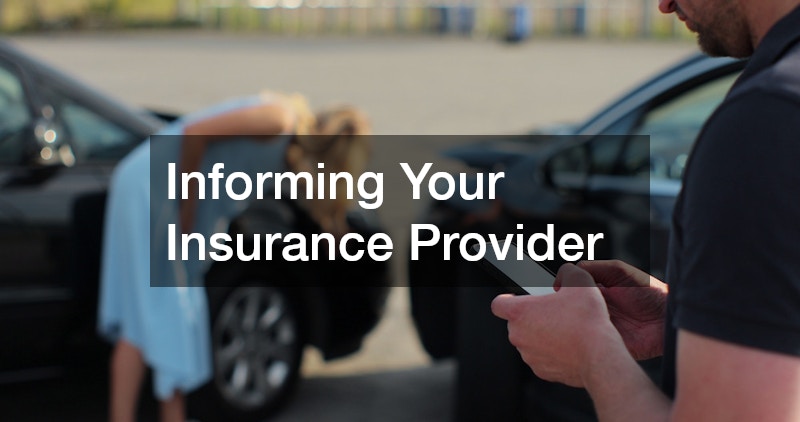
Once immediate concerns are addressed, the next step is to contact your auto insurance agency to inform them of the accident. Timely reporting can facilitate claim processing and ensure you follow the terms of your policy. Providing accurate and complete information streamlines the claims process. Your insurance provider will guide you through the necessary documentation and steps to take following the accident. They may also provide recommendations for local auto body shops for vehicle repairs. Engaging with your agency helps clarify coverage details and set expectations for the repair process.
In some cases, your provider might dispatch an adjuster to assess the damage to your vehicle. Cooperating with these investigations is critical in resolving your claim efficiently. A positive relationship with your insurer can alleviate stress and uncertainty during this process. Be sure to keep copies of all claim-related documents, emails, and repair estimates for your records. Organized paperwork can help prevent confusion and make follow-up conversations easier. Staying responsive and maintaining communication with your insurance representative can also speed up the resolution process.
Seeking Legal Guidance if Necessary
Certain situations might require the involvement of a car accident lawyer, especially if disputes arise. Legal experts can help navigate complex scenarios, ensuring your rights are protected and necessary actions are taken. It’s essential to consult a trusted professional when in doubt. Discussing your case with an attorney can provide clarity on liability issues or disputes with the insurance company. A lawyer’s perspective might offer options for compensation that you weren’t aware of. Understanding your legal rights early can prevent complications down the line.
In the aftermath of an accident, legal advice offers peace of mind and an additional layer of protection. Engaging with legal professionals doesn’t necessarily mean pursuing litigation, but rather ensuring fairness and justice. Building a relationship with a legal advisor can be a prudent step in your post-accident strategy. This is especially important in cases involving severe injuries, uninsured drivers, or disagreements about fault. An attorney can also help you understand deadlines for filing claims or pursuing compensation. Having professional guidance can reduce stress and help you make informed decisions throughout the recovery process.
Selecting an Auto Repair Facility
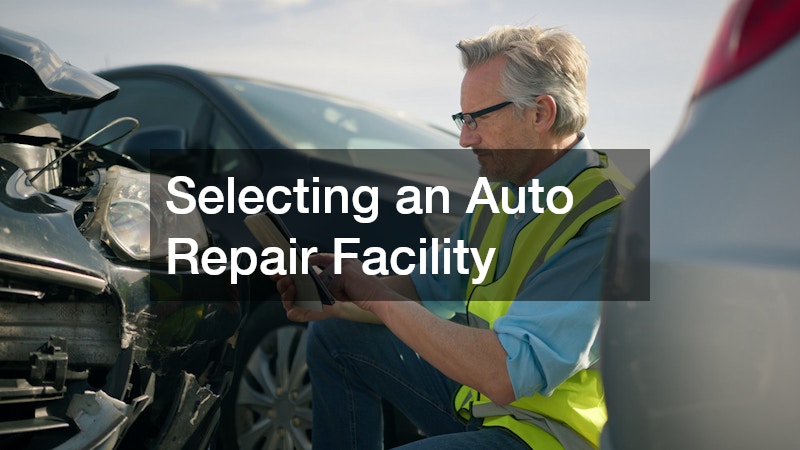
Choosing the right local auto body shops is crucial for quality repairs and vehicle safety post-collision. Reputation, certification, and reviews can guide your choice of facility to ensure comprehensive service. This decision impacts both the longevity and resale value of your vehicle. Many insurers have preferred or recommended repair shops that they can suggest. These partnerships can facilitate smoother transactions and potentially negotiate better service terms. Being thorough in your research ensures you select a facility that aligns with your needs and standards.
An initial assessment at the shop will establish the range of necessary repairs, from minor dents to more significant structural work. Technicians provide insight into required procedures such as alignment checks or auto glass replacement, ensuring the vehicle’s functionality is fully restored. Trusting professionals prevents overlooked issues that could worsen over time. You may also want to ask about warranties on repair work and replacement parts before authorizing service. Reliable repair facilities often stand behind their workmanship with guarantees that provide additional peace of mind. Taking time to compare estimates and service timelines can help you make a confident decision.
Reviewing Necessary Vehicle Repairs
After the inspection, understanding the recommended repairs is important to bring your vehicle back to optimal condition. Discuss with technicians the need for specific fixes, including potential brake repairs, alignment, or auto glass replacement. Safety is paramount, and addressing these needs ensures continued vehicle reliability. Minor damages might require car detailing services to restore the vehicle’s appearance to its pre-accident state. Detailing not only addresses surface issues but can also reveal underlying paint or trim concerns. Investing in aesthetics maintains your car’s value and enhances your post-repair satisfaction.
Mechanics can provide timelines for different repairs, helping you plan transportation in the interim. Knowing the scope of work and estimated completion ensures realistic expectations are set. Collaboration with your repair service providers eases the transition back to normal vehicle use. Ask for a detailed explanation of any unfamiliar repairs, so you fully understand the work being performed. Reviewing estimates line by line can also help you identify unnecessary charges or optional cosmetic upgrades. Staying informed throughout the repair process gives you greater confidence in the outcome.
Planning for Temporary Transportation Needs
While your vehicle undergoes repairs, arranging for alternative transportation might be necessary. Car rental services or sharing options like carpools can offer interim solutions. Assessing your options ahead of time can minimize disruption to your daily activities. Some insurance policies include coverage for rental cars during the repair period. Reviewing your policy with your auto insurance agency can clarify available benefits. Understanding these provisions aids in budgeting and managing additional transportation expenses.
Coordination with repair shops on estimated repair durations can help optimize the costs of rental services or shared rides. Maintaining communication with all parties involved ensures timely updates and adjustments to your temporary transport plans. Proper planning alleviates the inconvenience of being without your own vehicle. Public transportation and ride-sharing services may also provide practical short-term alternatives depending on your location. Exploring multiple transportation options allows you to choose the most affordable and convenient solution for your schedule and needs.
Tracking Repair Progress
Keeping track of your vehicle’s repair progress helps ensure deadlines are met and prevents unexpected delays. Regular check-ins with the repair shop allow for updates on the status of ongoing work. This communication builds trust and reassures you that your vehicle is in capable hands. Transparency about the repair process helps clarify any unforeseen challenges that could affect timelines. Active engagement with your vehicle’s status can provide peace of mind and allow for adjustments as needed. Having access to status reports or online service tracking can enhance your oversight.
Final inspections upon repair completion verify that all issues have been addressed satisfactorily. Test drive opportunities confirm functionality, particularly in critical areas like alignment and braking. Ensuring thorough repairs reinforces the safety and performance of your vehicle post-collision. Before accepting the vehicle back, inspect both the interior and exterior carefully for any remaining concerns. Verify that paint colors match properly and that all replaced parts function as expected. Taking a few extra minutes during pickup can help avoid future inconveniences or return visits.
Budgeting for Future Safety Measures
Post-collision, investing in safety features can mitigate risks in future driving scenarios. Enhanced preventative measures like advanced braking systems or dash cams can prove beneficial. Assessing your vehicle and personal safety needs could inform your investment decisions. Consulting with your auto insurance agency might provide insights into potential policy savings through safety upgrades. Many insurers incentivize installations that reduce claim risks, offering discounts in return. Strategic investments can improve safety and simultaneously reduce future insurance costs.
Regular maintenance checks are essential in sustaining vehicle safety and performance. Scheduling routine inspections ensures that your vehicle remains in optimal condition, minimizing the chances of future accidents. A proactive approach to maintenance secures both your investment and peace of mind. You may also consider defensive driving courses to strengthen your awareness and reaction skills on the road. These programs can improve driving confidence and may even qualify you for insurance discounts in some cases. Small preventative efforts today can contribute to safer driving experiences in the future.
Reflecting on the Experience
The aftermath of an auto collision offers valuable lessons on preparedness and response. Reflecting on your experience can improve reactions in similar situations in the future. Thoughtful consideration of your actions and decisions contributes to personal growth and resilience. Develop a checklist tailored to your specific needs, incorporating insights gained from this event. Sharing experiences with others can foster community awareness and improve overall road safety. Continuous learning ensures readiness and enhances collective understanding.
Recognizing the importance of supportive networks, from family to service providers, can fortify preparedness. Building strong relationships with professionals and loved ones fosters a reliable support system. Embracing a broad perspective encourages a cautious and informed approach to driving. Taking time to mentally process the experience is equally important, especially after a stressful or traumatic accident. Focusing on preparedness rather than fear can help restore confidence behind the wheel. Every experience provides an opportunity to become a safer, more informed driver moving forward. Navigating the aftermath of an auto collision requires a systematic approach to address immediate and long-term concerns effectively. From ensuring safety at the scene to managing the repair and recovery process, each step is critical. Through informed decisions and proactive planning, recovery can be smoother and more manageable.